ONDA Body Contouring in Korea: What to Expect from This Non-Invasive Fat Reduction Treatment
ONDA body contouring Korea refers to the microwave-based procedure available at Korean clinics that selectively heats and destroys subcutaneous fat cells without damaging surrounding skin. This non-invasive treatment uses a focused microwave frequency to target stubborn fat layers, which the body then naturally metabolizes and eliminates over several weeks. Benefits include visible circumference reduction and skin tightening in areas like the abdomen, thighs, and arms, typically requiring two to four sessions with no downtime. To use it, patients attend scheduled appointments where a practitioner moves the handpiece over the treatment area while controlling the temperature for comfort and safety.
What Makes This Non-Invasive Fat Reduction Method Different
What really sets **ONDA body contouring in Korea** apart is how it uses microwaves to target and heat deep fat layers without freezing or needles. Unlike cryolipolysis, which can leave you numb and sore, ONDA’s heat actually tightens the surrounding skin as it breaks down fat cells, giving a smoother finish. You won’t sit through a painful suction vacuum either—the handpiece glides over the area, so it feels more like a warm massage than a treatment. Because the energy is precise, it zeroes in on stubborn pockets like the lower belly or love handles that regular workouts miss. Plus, sessions are quick, often under 30 minutes, so you can head back to exploring Seoul immediately.
How the Microwave Technology Targets Only Fat Cells
Unlike lasers that heat the skin’s surface, ONDA’s microwave technology penetrates deeply, using a frequency that selectively excites water molecules within adipocytes—fat cells—while leaving collagen-rich tissue and nerves intact. The dielectric contrast between fat and ONDA lifting seoul surrounding tissue means the electromagnetic energy dissipates almost entirely inside the fat layer, raising its temperature to the point of controlled apoptosis without burning the dermis. This precision means you feel warmth, not pain, and the fat cells are naturally metabolized over weeks. Because the targeting relies on biophysical resonance rather than mechanical suction or cooling, the procedure suits uneven areas like the abdomen and thighs with minimal risk of surface irregularities.
- The microwave’s wavelength is tuned to the relaxation frequency of water in fat, not in muscle or skin.
- Real-time impedance monitoring adjusts energy delivery, preventing escape to superficial layers.
- Only the fat cell’s membrane undergoes thermal stress, triggering a clean breakdown pathway.
Comparing the Experience to CoolSculpting and Ultrasound Options
Unlike CoolSculpting’s static suction and numbness, or the deep, sometimes aching heat of ultrasound, ONDA’s experience feels like a rapid, warm pulsed massage—no vacuum pressure, no sharp pinching. You remain comfortably prone while the tip glides, with most sessions finishing in under 30 minutes versus CoolSculpting’s hour-long freeze and two-day soreness. Ultrasound often requires a gel medium and a dull, vibrating thud; ONDA’s microwave energy targets fat without touching skin, so you feel only a mild, rippling warmth. Recovery is instant—no redness, bruising, or tenderness—letting you return to daily life immediately. This makes the overall process feel less clinical and more like a high-tech spa treatment, offering a **noticeably smoother and faster comfort profile** than both alternatives.
Why Korean Clinics Specialize in This Precision Treatment
Korean clinics have turned ONDA’s microwave precision into a core discipline because their aesthetic culture demands hyper-localized results—not just overall inches lost. By specializing in this treatment, practitioners master the device’s real-time temperature feedback to sculpt tiny zones like the submental fat or love handles with exacting control, ensuring skin stays tight while fat cells are selectively disrupted. This expertise stems from a daily, high-volume practice where refining angle, pulse duration, and cooling balance becomes second nature. For you, that means a physician who can intuitively adjust the handpiece’s depth and energy for your unique fat distribution, minimizing downtime while maximizing contour sharpness. Their focus isn’t versatility across many lasers; it’s obsessive repetition on one precision tool, which translates directly into more consistent, natural-looking outcomes.
Korean clinics specialize in ONDA because high-volume, focused practice lets them fine-tune microwave energy delivery to each patient’s exact fat layer, producing sculpted results generalists cannot match.

How to Prepare for Your First Session in Seoul
Before your first ONDA body contouring session in Seoul, skip heavy skincare on the treatment area and arrive with clean, bare skin—no lotions or oils, as the device needs direct contact. Hydrate well the day prior and wear loose, comfortable clothes; you’ll likely feel warm during the procedure, and your skin may be slightly pink afterward. Plan to arrive 15 minutes early for a quick consultation, and bring a list of any medications or health conditions. Most first-timers worry about pain, but it’s usually a tolerable heat sensation, not sharp. Q: How long does ONDA take? A: Typically 30–40 minutes per area, so block an hour total. Afterward, avoid saunas and intense exercise for 24 hours, and just follow your clinician’s simple aftercare—no downtime needed, so you can explore Seoul right away.
What to Wear and What to Avoid Before the Appointment

Before your ONDA session in Seoul, prioritize loose, comfortable clothing that avoids compression over the targeted areas, as tight fabrics can irritate treated skin and obscure the practitioner’s assessment. Wear two-piece outfits—like a zip hoodie with wide-leg pants—so you can easily expose only the treatment zone without fully undressing. Avoid applying body lotions, oils, or perfumes on the day of the appointment, as residues can interfere with the device’s contact and energy delivery. Skip metallic accessories, underwire bras, or shapewear near the abdomen or thighs, since these can reflect or block radiofrequency waves. Choose dark-colored, breathable cotton, because post-procedure mild redness or cooling gel stains are less visible on darker shades. Finally, bring a spare oversized shirt or sarong to change into if your skin feels sensitive or damp afterward.
- Wear layered separates for quick access to the treatment site.
- Remove all lotions, jewelry, and tight undergarments beforehand.
- Pack a backup loose change of clothes for post-session comfort.
Questions to Ask the Consultant About Your Skin Type
Before your ONDA session in Seoul, ask the consultant how your specific skin type—whether oily, dry, sensitive, or melanin-rich—affects radiofrequency energy absorption and heat dispersion. Inquire if your current skincare actives (retinol, acids, or vitamin C) must be paused pre-treatment, since these alter barrier resilience. Request a patch test on a small area to observe your skin’s immediate reaction and confirm the recommended energy level for your dermal thickness. Also, ask about post-procedure hydration protocols tailored to your sebum production, plus signs of over-treatment specific to your complexion, such as prolonged redness or hyperpigmentation risk.
Ask about energy settings, active ingredient pauses, patch testing, and aftercare specific to your skin type.
Managing Expectations for the First 24 Hours After Treatment
Your first 24 hours after ONDA in Seoul are about observation, not verdicts. Immediately post-treatment, expect mild redness and warmth—similar to a light sunburn—which typically fades within a few hours. You will not see dramatic tightening yet; that develops over weeks as collagen remodels. Avoid hot showers, saunas, and intense workouts for the day, allowing your skin to settle. Some clients notice slight tenderness or puffiness, which is normal and temporary. Realistic first-day results mean understanding that subtle changes, not instant transformation, signal success. Hydrate well and keep your skincare routine gentle.
- Redness and warmth typically subside within 2–4 hours—do not panic.
- No visible tightening on day one; collagen response requires 3–6 weeks.
- Skip alcohol, steam rooms, and heavy exercise for at least 24 hours.
- Mild tenderness is common, but sharp pain is not—contact your clinic if it persists.
Choosing the Right Clinic and Operator for Best Results
When you’re eyeing ONDA body contouring in Korea, the clinic and operator make or break your results—not the machine itself. Look for a doctor who specializes in body contouring, not just general aesthetics, and ask to see before-and-after photos of real Korean patients with your body type. A skilled operator adjusts the ONDA handpiece’s depth and energy based on your fat thickness and skin laxity, so experience with diverse skin tones matters. *Quick Q&A: How do I know if the operator is skilled?* Check if they perform a full-body ultrasound assessment before treatment and explain *why* they’re targeting specific zones—if they rush this, walk away. Also, choose a clinic where the same doctor handles your consultation and procedure, not a rotating nurse team. Finally, trust your gut during the consult: if they promise dramatic fat loss from one session, that’s a red flag, not confidence.
Key Credentials to Verify on the Practitioner’s Experience
When evaluating a practitioner for ONDA body contouring in Korea, first verify their **specialized experience with radiofrequency-based body sculpting** beyond general aesthetic work. Confirm the number of ONDA procedures performed specifically, not just device certifications. Ask for before-and-after photos of Korean skin types and body shapes similar to yours, focusing on consistent fat reduction outcomes rather than marketing images. Inquire how they handle variable subcutaneous fat thickness, especially for smaller treatment areas like the chin or arms. Request details on their protocol for adjusting energy levels and passes per session based on your individual tissue response. Finally, check whether they offer structured follow-up assessments to measure circumference changes and skin laxity, which indicates a comprehensive, results-oriented approach tied directly to their hands-on experience with this device.
How to Read Before-and-After Photos Without Being Misled
When evaluating ONDA body contouring results in Korea, first check for identical lighting, camera angle, and clothing in both images, as subtle shifts can exaggerate fat reduction. Then, verify the patient’s posture—a tilted pelvis or flexed muscle creates false tone. Look for skin texture changes: ONDA tightens skin, so expect smoother surface, not just a narrower silhouette. Compare the same anatomical landmark, such as the navel or hip bone, to gauge true volume loss. Finally, request unretouched, timestamped photos taken on the clinic’s device, and ask for a video pan, which is harder to manipulate than a single still. A reliable clinic will gladly provide these.
- Match lighting, angle, and clothing across both frames.
- Check posture and skin texture for honest changes.
- Use anatomical landmarks to measure real fat reduction.
Deciding Between a Single Session or a Series of Treatments
When weighing deciding between a single session or a series of treatments for ONDA body contouring in Korea, your choice should hinge on your starting point and target area. A single session suits those with mild, localized fat who only want a subtle firming effect before an event. However, for meaningful circumference reduction or stubborn fibrous fat, commit to a series of three sessions spaced three to four weeks apart. Each follow-up builds on the previous collagen contraction and fat disruption, compounding results. Ask your Korean operator to assess skin laxity and fat thickness during consultation; they will advise a baseline plan. If you choose a single session, manage expectations—it acts as a preview, not a transformation.

- Determine if your goal is maintenance or structural change.
- Book a diagnostic consultation to measure fat layer depth.
- Reserve a single session only for minimal adjustments.
- Schedule a full series for durable, visible contour shifts.
Maximizing the Outcome in the Weeks After Your Procedure
The weeks after your ONDA session in Korea are when your body truly begins its quiet remodeling, and how you treat it decides the final curtain call. Keep your skin hydrated from the inside, drinking water as if your tissue is a sponge that needs to swell and flush naturally, while skipping alcohol and salty Korean dishes that provoke puffiness. Gently massage the treated zones each morning with warm hands, following the same circular paths your clinician used, to coax lymphatic drainage and keep collagen production humming. *Light walking through Seoul’s parks is perfect, but avoid intense gym sessions for at least three weeks — the heat-based contraction needs time to settle without inflammation interrupting it.* Wear compression garments provided by your ONDA clinic during sleep, especially for the first ten nights, to lock in the tightening effect. Finally, shield your skin religiously with SPF 50+, because the new collagen beneath is sun-sensitive, and a single afternoon of exposure can blunt your results.
Diet and Hydration Tips That Complement the Fat Reduction Process
To maximize your ONDA results in Korea, prioritize **hydration as a metabolic catalyst**—drink at least two liters of water daily to help your lymphatic system flush emulsified fat cells. Pair this with lean proteins like chicken breast or tofu, which preserve muscle mass while your body processes released lipids. Skip sodium-heavy broths and Korean side dishes like pickled radish, as they cause water retention that masks contouring progress. Instead, load up on cucumber, watermelon, and celery for natural diuretic effects. Time your meals: eat smaller portions every three hours to stabilize insulin, and avoid alcohol for two weeks post-treatment, as it dehydrates tissues and slows the elimination of treated fat.
Which Exercises Accelerate Lymphatic Drainage in Treated Areas
To speed up lymphatic drainage in treated areas after ONDA, start with gentle, rhythmic exercises like ankle pumps and slow walking within 48 hours—this keeps fluid moving without stressing the skin. Add light stretching, such as side bends or torso twists, to stimulate the torso’s lymph nodes. Avoid jumping, heavy lifting, or intense core work for two weeks. Instead, do deep belly breathing (10 slow breaths, three times daily) to activate the diaphragm, which naturally pumps lymph. Swim or do water walking by week two, as water pressure massages treated zones. Keep each session under 20 minutes to prevent swelling.
Q: Which exercises accelerate lymphatic drainage in treated areas? A: Ankle pumps, walking, deep breathing, and water-based movement—all low impact and rhythm-focused—are your best bets for a smoother, quicker recovery.
Skincare and Firming Routines to Tighten Loose Skin
In the weeks after your ONDA session in Korea, your skin’s remodeling phase is the prime window for targeted firming. Begin daily with a peptide-rich serum to signal collagen production, then seal it with a ceramide barrier cream to lock in moisture, as dehydrated tissue sags faster. Use a gentle silicone-based massage roller for five minutes nightly, moving upward from jaw to temple—this boosts lymphatic drainage and plumps the treated area. A key nuance: skip harsh exfoliants for three weeks, since the dermis is hyper-sensitive and aggressive acids can disrupt the very tightening cascade you are trying to sustain. Introduce a weekly sheet mask with adenosine and copper peptides to reinforce elasticity. Consistent, hydrating firming routines are the decisive factor for turning ONDA’s heat-induced contraction into visible, lasting lift.
Stick to peptide-rich hydrators, gentle upward massage, and barrier-friendly moisturizers; avoid exfoliation for three weeks to let your skin’s own tightening mechanics fully settle.
Realistic Results and Common Misconceptions to Watch For
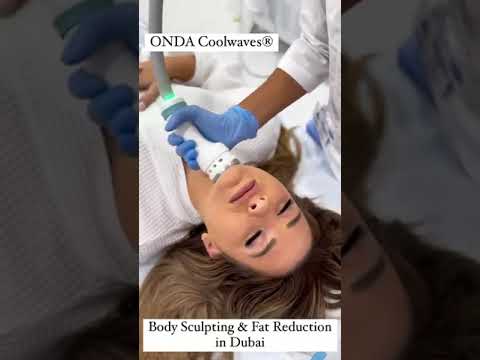
Realistic results from ONDA body contouring in Korea come down to understanding that it’s a fat-reduction tool, not a weight-loss fix—expect a smoother silhouette after 2–3 sessions, not a drop in pant sizes overnight. The biggest misconception is that it tightens loose skin dramatically; actually, ONDA’s radiofrequency mainly shrinks fat cells, and any skin firming is subtle, so if you have significant skin laxity, you’ll likely need a different procedure. Another trap is assuming “no downtime” means zero side effects—you’ll have mild swelling and tenderness for a few days, and results take up to 8 weeks to appear as your body processes the fat.
Don’t judge the outcome in the mirror right after treatment; the visible change is gradual and depends on your baseline tone.
Also, clinics in Korea often show “after” photos from multiple sessions plus lifestyle changes—ask for a single-treatment example to set your expectations honestly.

How Soon You See Changes and How Long They Last
With ONDA body contouring in Korea, your first visible changes typically emerge within **one to two weeks** as the body begins flushing out targeted fat cells, though initial mild swelling can mask early results. Most patients notice a smoother silhouette by week three, with the most dramatic improvements appearing between six and twelve weeks post-treatment. Durability depends on your consistency; results last for months, often over a year, provided you maintain a stable weight and healthy habits. Unlike surgical options, ONDA’s effects are gradual but cumulative, meaning each session builds on the last. Expect your final outcome to hold for an extended period—not permanently, but significantly longer than temporary treatments—making it a lasting investment in your physique.
Which Body Areas Respond Most Effectively to the Microwave Energy
Microwave energy in ONDA body contouring zeroes in on **stubborn fat deposits that resist diet and exercise**, with the abdomen, flanks (love handles), and inner/outer thighs showing the most dramatic responses. The 2.45 GHz frequency penetrates 1–2 cm deep, making it ideal for subcutaneous fat layers in these compressible zones. The lower belly, often fibrous and dense, responds visibly because the applicator’s cooling tip protects skin while heat disrupts adipocytes. Arms and bra-line areas react more slowly due to thinner fat pads, but still firm up with consistent sessions. Avoid expecting results on visceral fat—microwaves only treat superficial layers.
Q: Which body areas respond most effectively to the microwave energy?
A: The abdomen, love handles, and thighs yield the fastest circumference reduction—typically 20–30% fat cell loss per session—because these areas have stable, uniform fat thickness that matches ONDA’s wavelength.
Potential Side Effects You Should Monitor and How to Handle Them
After ONDA body contouring in Korea, monitor for transient redness, mild swelling, and a warm sensation in the treated area, which typically subside within 24–48 hours. More importantly, watch for prolonged numbness or peau d’orange texture, which can indicate excessive thermal injury; if present beyond one week, contact your clinic immediately. Handle minor discomfort with cold compresses and over-the-counter acetaminophen, but avoid NSAIDs for 72 hours to prevent bruising. Observe for asymmetrical fat reduction or nodularity, which may require a gentle lymphatic massage—perform only after your practitioner’s approval. Should you notice blistering or hyperpigmentation, apply prescribed antibiotic ointment and strict SPF 50+; never pop blisters. Report any fever or intense pain, as these are rare signs of infection requiring prompt evaluation.