It’s rare for me, but I’m struggling a bit with my writing. Perhaps this has something to do with writing nearly 200,000 words about my only son, who I’m no longer able to commune with.
Sending out something this personal and connected to my grief journey is daunting. I’ll eventually learn whether anyone thinks my book is any good. Quite likely, I’ll have to weather a season filled with notes of rejection. I just received one this week.
Actually, I’m not tired of writing. I’ve developed a number of drafts detailing how shitty some people have been to Mary and me over the past 19 months. They’re honest that’s for sure. But I’m positive these assholes couldn’t handle having a mirror held up for them, showing them what fakes and phonies they are. So instead of posting, I’ve just been filing them away.
Possibly my recent lack of content development might also be associated with my personal physical challenges I’ve been living with this summer. SI joint pain hasn’t been fun. I am getting better, but if I do too much, I have setbacks. Continue reading
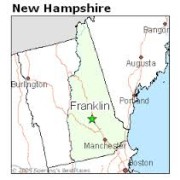 Schweitzer’s article was excellent, and her focus on an entrepreneur/developer, Todd Workman, and his struggles and challenges in this small city smack dab in the center of the Granite State highlighted the difficulties inherent in bringing back forgotten places like Franklin. The story gathered a number of important threads in this narrative focused on economic development in rural America.